The Protein Paradox: Why Longevity Science Can’t Agree on How Much Protein You Need
Eat more protein to stay strong. Eat less protein to live longer. Both claims come from real research, and both cannot be fully right at the same time. Welcome to the protein paradox longevity puzzle: the molecular pathway the longevity world wants you to suppress is the same pathway that builds and protects your muscle.
The protein paradox longevity debate: why some researchers fear protein
The case against high protein rests on two growth pathways: mTOR and IGF-1. Amino acids, especially leucine and methionine, activate mTOR, the cell’s growth switch. Growth is great when you are building muscle. It is less great when the same signalling encourages cells to keep dividing when they should be repairing.
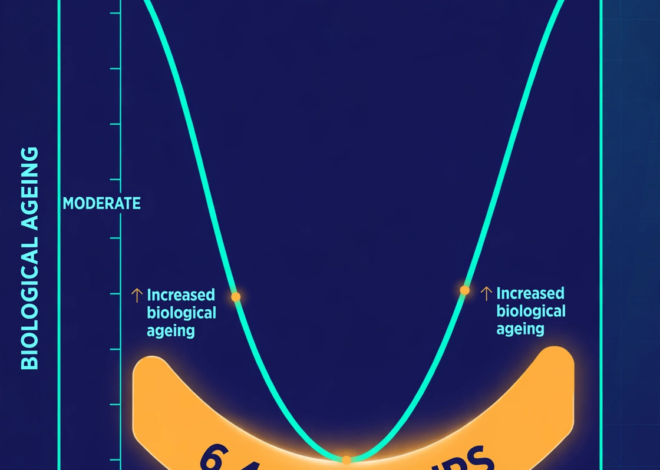
The landmark study here is Longo and colleagues’ 2014 paper in Cell Metabolism. In more than 6,300 adults, those aged 50 to 65 reporting high protein intake (20 percent or more of calories) had a 75 percent higher overall mortality and a four-fold increase in cancer and diabetes mortality compared with low-protein eaters. Strikingly, the association vanished in those over 65. A synthesis of more than 350 studies published this year found that protein restriction dialled down molecular markers of ageing, including mTOR activity, IGF-1, FGF21 and oxidative stress.
The proposed mechanism is plausible: lower protein reduces growth signalling, increases autophagy (the cell’s recycling of damaged components), and improves resistance to age-related stress. In animal models, this reliably extends lifespan.
Why muscle researchers say eat more
Here is the other half of the paradox. After age 30, adults lose 3 to 8 percent of muscle mass per decade, accelerating after 60. That loss, sarcopenia, is one of the strongest predictors of frailty, falls, loss of independence and death. And the single most effective defence against it is protein plus resistance training.
Recent human data complicates the anti-protein story. A study published this month found that neither animal nor plant protein intake changed overall mortality risk, and higher or lower IGF-1 levels were not linked to risk of death from any cause, cancer or heart disease. The lead researcher concluded that both animal and plant protein foods promote health when the full picture is considered.
There is also the exercise wrinkle. Exercise reshapes how the body handles growth signals: it directs IGF-1 toward muscle repair rather than systemic growth, lowers chronic inflammation and improves insulin sensitivity. In other words, protein in an active body may behave very differently from protein in a sedentary one. The 350-study synthesis acknowledged exactly this: active people appear to have a wider “safe window” for protein intake.
And let us not forget the water problem with the headlines. Most Americans already meet or exceed protein requirements, yet 48 percent are actively seeking more, according to recent eating-pattern data. Protein mania is real, and for most people the question is not deficiency.
So how much protein should you actually eat?
Honest answer: it depends on your age, your activity and your goals. Here is how the evidence currently breaks down:
- Under 65 and sedentary: the Longo data suggests caution with very high protein intakes. Sticking near the standard recommendation, around 0.8 grams per kilogram of body weight per day, with an emphasis on plant sources, looks reasonable.
- Over 65: the mortality link disappeared in older adults, while frailty risk climbs steeply. Most geriatric guidance favours 1.0 to 1.2 g/kg/day to protect muscle. After 65, under-eating protein looks like the bigger risk.
- Active at any age: if you lift weights regularly, higher intakes (1.2 to 1.6 g/kg/day) support muscle maintenance, and exercise appears to blunt the growth-signalling concerns.
- Kidney disease or on GLP-1 medication: talk to your clinician. Extra protein can be inappropriate with certain kidney conditions, and rapid weight loss raises the stakes for muscle preservation.
For a deeper look at how sleep and recovery interact with all of this, see Sleep Debt: What the Science Says About Catching Up on Lost Sleep.
The bottom line
The protein paradox longevity question is not a contradiction to solve but a trade-off to manage. Growth signalling drives both muscle and ageing; the art is in the dosing, the timing and the context of your own body. Protein is neither poison nor magic. It is a tool, and like every tool in biohacking, it works best when matched to the person holding it.
Health disclaimer: This article is for informational purposes only and is not medical advice. Changing your protein intake significantly, especially with kidney disease, diabetes or other conditions, should be discussed with a qualified clinician.
Frequently asked questions
Does high protein cause cancer?
One large observational study linked high protein intake in middle age to higher cancer mortality, but newer research found no mortality difference from animal or plant protein. The evidence is mixed and mostly observational, not proof of causation.
Is plant protein better than animal protein for longevity?
Some studies favour plant protein, but the most recent large analysis found no mortality difference between the two. Protein source may matter less than total amount, activity level and overall diet quality.
Sources
- The Educated Patient: Animal Versus Plant Protein: No Big Differences for Mortality
- Verywell Health: Are Your Patients Eating Too Much Protein?
- Levine et al., Cell Metabolism (2014): Low protein intake and IGF-1, cancer and mortality (via NIH Public Access)